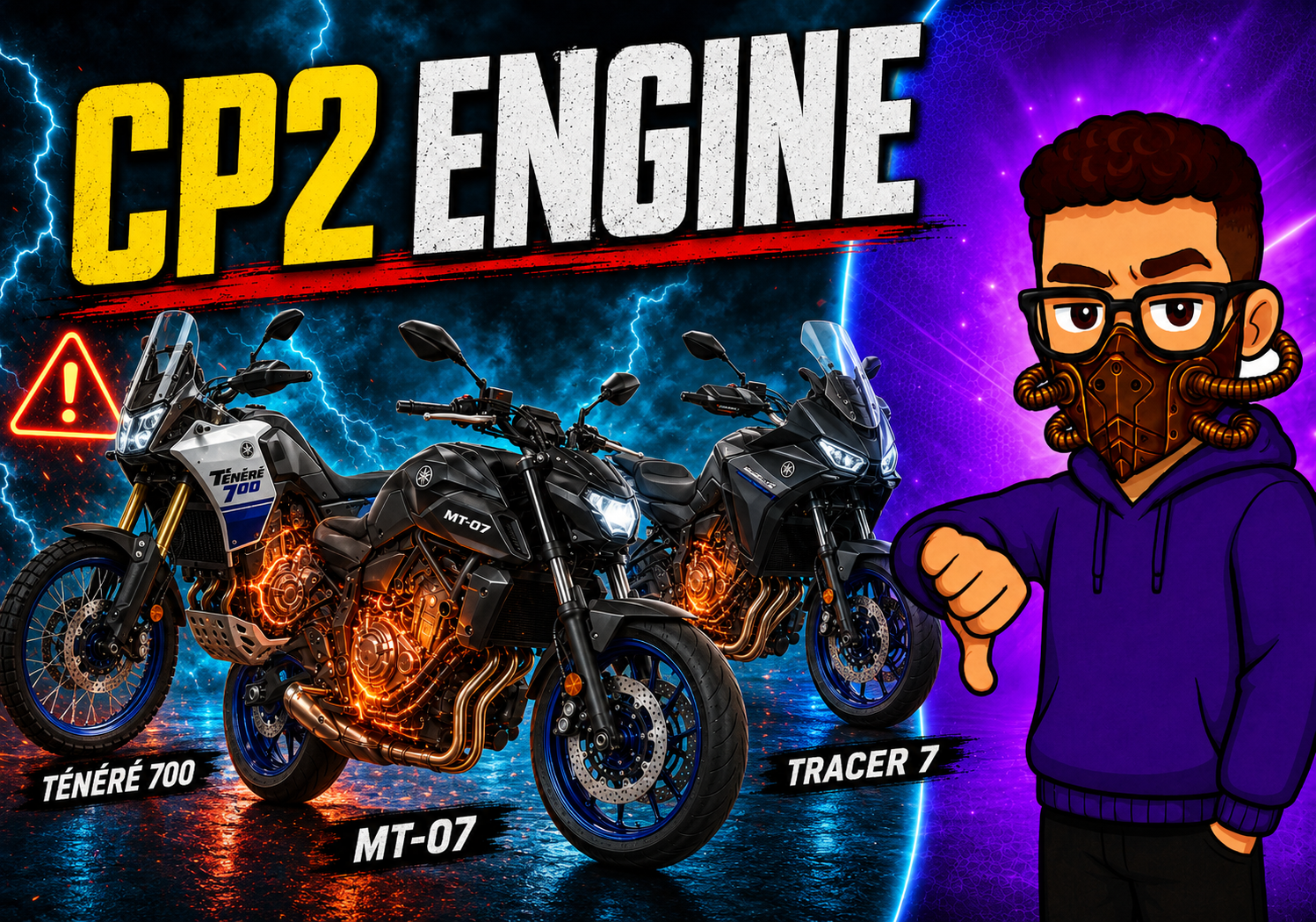

The Yamaha CP2 Engine Is Not a Beginner Engine: Here Is Why
Important notice before you read. This article combines published bike reviews (MCN, Motorcycle.com, Cycle World, Bennetts, Lexham), owner-forum reports and road-safety research from the IIHS, NHTSA and peer-reviewed studies. It is not an attack on the CP2 engine, which is excellent. It is about engine character and rider experience, and none of it claims the bikes are defective.
TL;DR
- The Yamaha CP2 is the 689 cc liquid-cooled parallel-twin with a crossplane (270 degree) crank that powers the MT-07, XSR700, YZF-R7, Tenere 700 and Tracer 7. It makes about 74 hp but, more importantly, 68 Nm of torque that arrives early and hard.
- The low horsepower figure fools people. Torque, not peak power, is what lifts the front wheel and snaps a nervous new rider off the back of the seat. The fueling below 3,000 rpm is also abrupt on many model years.
- Safety research is consistent: inexperienced riders crash 2 to 4 times more often, riders under 22 have the highest crash rate of any group, and supersport bikes like the R7 carry roughly 4 times the death rate of other styles. A 74 hp, 68 Nm twin is not a gentle place to learn.

A lot of new riders walk into a dealer, read "73 horsepower" on the MT-07 spec sheet, compare it to a 200 hp litre bike, and decide it must be a soft, friendly beginner machine. That single number hides the truth. The Yamaha CP2 engine is one of the best mid-size motors ever built, but "best" and "beginner" are not the same word. This post explains what the CP2 is, every bike it powers, and why its character catches inexperienced riders out more often than the brochure suggests.
If you already own one of these bikes, you know how good the engine is. This is not an attack on the CP2. It is a warning about who should be twisting the throttle while they are still learning what a throttle does.
What is the Yamaha CP2 engine?
CP2 stands for "Crossplane Concept, 2 cylinders." It is a 689 cc, liquid-cooled, 8-valve DOHC parallel-twin that Yamaha launched in 2014. Instead of a conventional 360 degree parallel-twin crank, Yamaha uses a 270 degree crankshaft, which gives the engine an uneven firing interval that feels and sounds much more like a V-twin. That character is the whole point of the engine, and it is also part of why it is not a soft motor.
The numbers that matter: roughly 55 kW (about 74 hp) at 9,000 rpm, and 68 Nm (50 lb-ft) of torque at 6,500 rpm. The headline figure beginners fixate on is the 74 hp. The figure that actually shapes how the bike behaves in the first three gears is the 68 Nm, and the fact that a strong slice of it is available from very low in the rev range. The bike weighs only around 180 kg wet, so that torque has very little mass to move.
Sources: Yamaha MT-07 specifications - Wikipedia · Cycle World - Yamaha's 689cc CP2 parallel twin
Every motorcycle that uses the CP2 engine
The same 689 cc CP2 motor, in slightly different states of tune and gearing, sits in a whole family of Yamahas. If you are shopping for any of these, you are buying the same fundamental engine character:
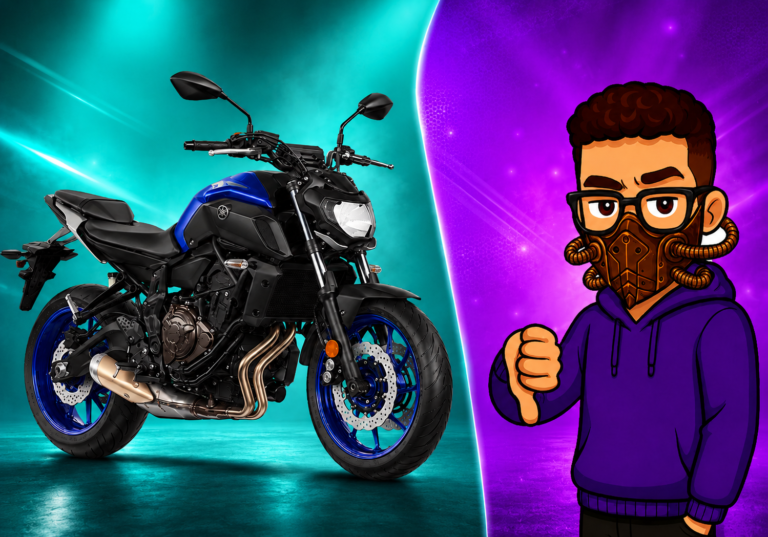
- Yamaha MT-07 - the naked roadster, sold as the FZ-07 in North America until 2017, renamed MT-07 worldwide from 2018. The original and best-selling CP2 bike.
- Yamaha XSR700 - the retro-styled "Sport Heritage" version, launched 2016. Same engine, classic looks.
- Yamaha YZF-R7 - the faired supersport, launched 2021. Replaced the four-cylinder R6 in the line-up with a far torquier twin.
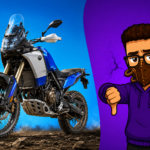
- Yamaha Tenere 700 - the adventure bike, launched 2019. The CP2 in a long-travel, tall off-road chassis.
- Yamaha Tracer 700 / Tracer 7 / Tracer 7 GT - the sport-touring version, with wind protection and comfort ergonomics.
Every one of these bikes shares the same engine heart. A new rider who is told "the Tenere is an adventure bike, that is more relaxed than a sportbike" is still getting the exact same 68 Nm twin underneath them. The chassis changes. The torque does not.

Sources: Cycle World - one engine, many roles · Bennetts BikeSocial - Yamaha Tracer 7 review
Why the low horsepower number fools beginners
Here is the trap. Peak horsepower is a top-end figure, made at 9,000 rpm, that most new riders will never use on the road. Torque is what you feel every single time you open the throttle from low revs, and the CP2 makes a lot of it, early. Reviewers are blunt about this. As one put it, beginners underestimate the torque delivery, mistaking the modest horsepower number for docility, but it is not docile, it is punchy, and pulling away has to be done with care or you will find yourself pointing skyward in first and second gear.
That is not marketing exaggeration. A light bike with a torquey twin and a crossplane crank will lift its front wheel under a clumsy throttle hand. A rider who has never managed a clutch-and-throttle launch under load can very easily give it too much, and the bike responds instantly. On a genuinely soft 300 cc or 400 cc single, the same mistake produces a lurch. On a CP2, it can produce a wheelie or a loss of control at exactly the moment a beginner is least able to deal with it.

Sources: Lexham Insurance - 2023 MT-07, master of torque · Motorcycle.com - 2025 MT-07 review
The snatchy throttle problem
On top of the raw torque, several CP2 model years have a fueling character that makes the problem worse for inexperienced hands. To pass EU emissions rules, Yamaha tuned the fuel injection with a hard cut at fully closed throttle. The result, widely reported by owners and testers, is a snatchy response the very first instant you crack the throttle open from closed. No matter how gently you try, the initial pickup can be jerky.
An experienced rider absorbs this with clutch control and a smooth wrist without even thinking about it. A beginner, who is still learning to coordinate clutch, throttle and balance at walking pace, gets an abrupt jolt right when they want smoothness, in slow corners, junctions and parking lots. That is precisely where low-speed drops and panic inputs happen. Later model years and aftermarket fixes such as a BoosterPlug or an ECU re-flash soften it, but the stock character remains a real factor for a nervous new rider.
Sources: MCN - Yamaha MT-07 review · Visordown - seven days with an MT-07
What the crash statistics actually say
There is no public dataset that isolates crashes by specific engine, so nobody can honestly tell you "X percent of MT-07 crashes involved beginners." What the published safety research does show, very consistently, is who crashes and why, and it points straight at the kind of rider who buys a CP2 as a first bike.
- Inexperience is the single biggest multiplier. Riders with less than two years of experience crash two to four times more often than experienced riders, and one insurance study found a brand-new rider is roughly four times more likely to crash in their first month than after they gain experience.
- Young riders are the highest-risk group. Inexperienced riders under age 22 have the highest crash rate of any group, and riders aged 21 to 24 have the highest involvement in fatal speeding crashes at 49 percent.
- Supersport bikes are deadlier, and the R7 is one. The IIHS found supersport riders have death rates roughly four times higher than riders of other motorcycle types, and supersport owners skew young, with an average age around 27.
Put those three findings together and the picture is clear. The highest-risk rider is young and inexperienced, the highest-risk style is the torquey sport machine, and the CP2 family includes a full supersport (the R7) plus a naked (MT-07) that is heavily marketed as an approachable first big bike. The engine is not "dangerous" in a vacuum. It is demanding in exactly the hands that the statistics say are most likely to crash.

Sources: IIHS - Fatality Facts: Motorcycles · NHTSA - understanding the problem · The role of inexperience in motorcycle crashes - ScienceDirect
The MT-07 specifically: the beginner trap
The MT-07 is where this matters most, because it is the CP2 bike most often sold to new riders. It is light, the seat is low, the price is friendly and the styling is approachable, so it lands at the top of countless "best beginner bike" lists. Some of that is fair. Riding schools across Europe use the MT-07 precisely because it is manageable and reliable for training a competent rider on a bigger machine.
But "good bike to train a competent rider on" is not the same as "good bike to be a total novice's daily learner from day one." The same reviews that praise it warn that it is not recommended for a brand-new rider with zero experience, because the throttle response and torque can catch a novice off guard, and a throttle mistake can loop a wheelie. The MT-07 rewards a rider who already has the basics. It punishes one who does not yet have them.
If you are set on an MT-07 as a learner, do it the safe way: take proper training first, start on the A2-restricted 35 kW version where your licence allows it, and read up on the bike's real-world quirks before you ride. Our full breakdown of the Yamaha MT-07: 10 problems by year covers the model-year differences in fueling and equipment that matter when buying used. You can also check the MT-07 on the Goutchen seat-height simulator to see whether you can flat-foot it before you commit.
Sources: Lexham Insurance - MT-07 review · MCN - MT-07 review
Same engine, different traps: R7, Tenere 700 and the rest
The R7 takes the CP2 and wraps it in clip-ons, a committed riding position and supersport styling. For a new rider that combination encourages exactly the behaviour the crash data warns about: higher speeds, an aggressive posture and the social pull of a "race bike." The engine is the same friendly twin, but the package invites a riskier way of riding it.
The Tenere 700 hides the same trap behind adventure styling. New riders assume an adventure bike is relaxed, but the Tenere is tall, with a high seat and long-travel suspension that makes low-speed handling and stopping a real test for a short or inexperienced rider, and the CP2 underneath is unchanged. Our Yamaha Tenere 700: 10 problems by year post covers the ergonomics and reach issues in detail. The XSR700 and Tracer 7 are gentler in ergonomics but identical in engine, so the torque lesson still applies.

Sources: Bennetts BikeSocial - Tracer 7 review · RideApart - 2025 Yamaha Tracer 7
So who is the CP2 actually for?
The CP2 is a brilliant second bike, an excellent step-up from a 300 or 400, and a superb long-term keeper. It is not the engine to be learning clutch control and throttle discipline on in your first month. If you are a genuine beginner and you love the platform, the sensible path is clear: get full training, start on a smaller or A2-restricted machine, build real throttle and braking habits, and then move up to a full-power CP2 when your hands have learned what the bike will do before you ask it to. The engine will still be there, and you will enjoy it far more when you can actually use it.
The headline number says 74 horsepower. The reality says 68 Nm in a 180 kg bike with a snatchy first millimetre of throttle and a crossplane punch. Respect the difference, and the CP2 is one of the great motorcycle engines. Underestimate it because the horsepower looks small, and you become one of the statistics above.